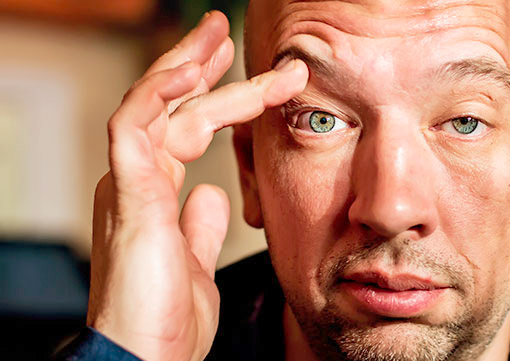
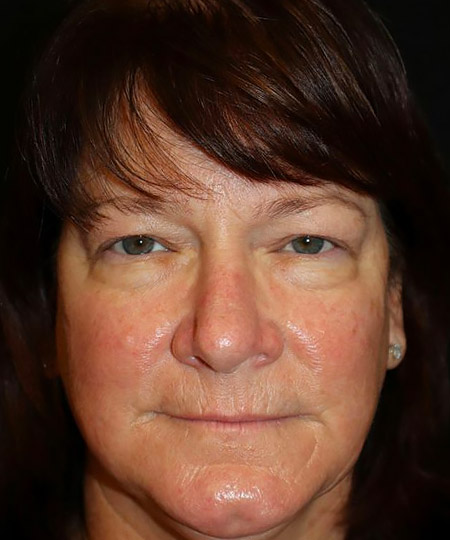
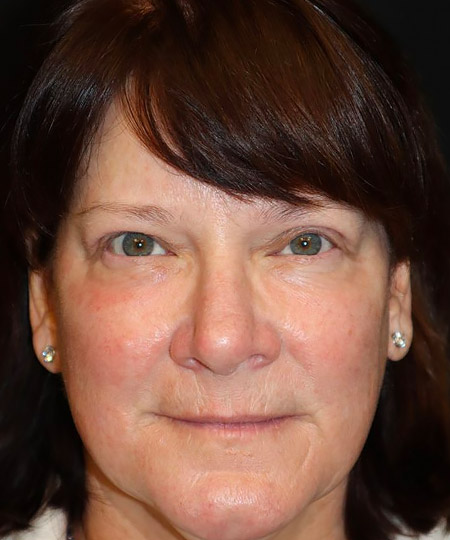
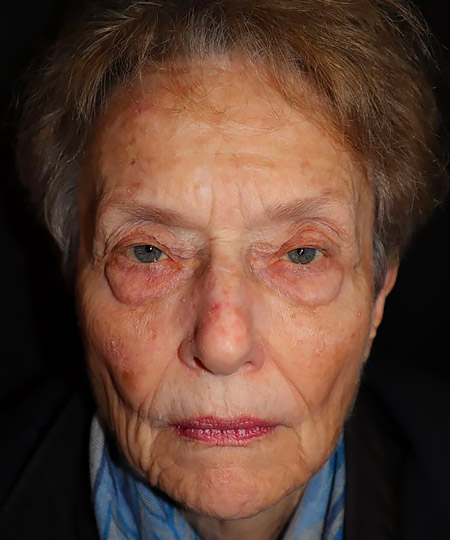
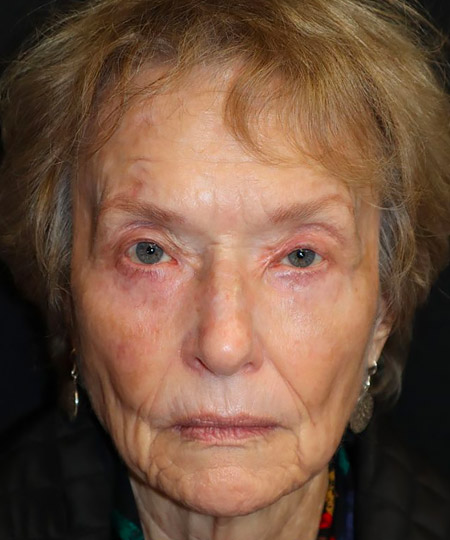
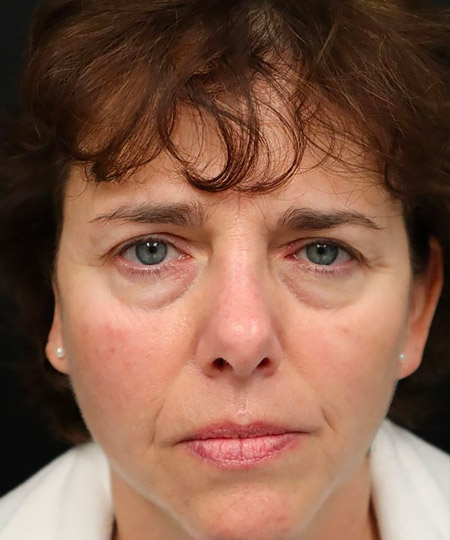
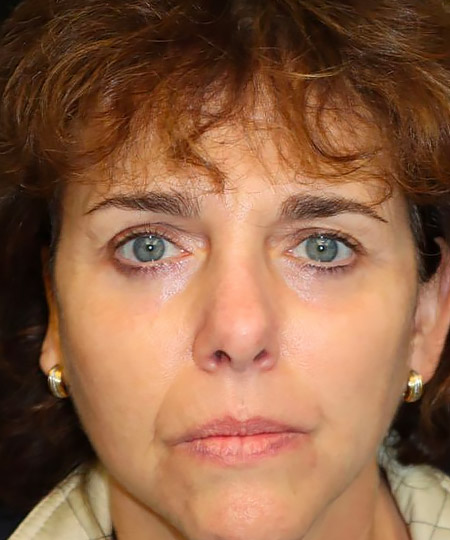
Treatment may be due to cosmetic or functional reasons. Severe drooping may obstruct the visual axis. If ptosis interferes with a patient’s vision, a brief surgical procedure can be performed to eliminate the drooping under local anesthesia or monitored anesthesia. This can be done in conjunction with a blepharoplasty or can be done independently.
Children with ptosis should be examined regularly to check for other vision problems by a pediatric ophthalmologist to monitor for refractive errors that can cause amblyopia.
This is usually performed with the use of a CO2 laser for precise incisions and dissection of surgical planes under local anesthesia, so that lid symmetry can be evaluated intra-operatively. It usually takes about 30-45 minutes to perform. A scarless procedure can also be done by making an incision from the backside of the eyelid as well. This can be done in conjunction with an upper or lower lid blepharoplasty, peri-ocular, or full face and neck laser skin resurfacing.
This varies per patient, but about 80% of swelling decreases by month 1, and the residual 20% can take several months to resolve. The stitches placed usually dissolve in about 10 days to 2 weeks (sometimes non-dissolvable stitches are placed and are removed at week 1) and patients are usually seen at the following intervals postoperatively: 1 week, 1 month, 3 months. No bandages are placed after the procedure, but detailed instructions will be given about ice and head positioning to decrease swelling after the procedure. Adjustments may need to be made around week 1.
As with any surgical procedure, there are certain risks associated with ptosis repair procedures. Dr. Rosh will review these at your consultation.

Ptosis is a condition where the upper eyelid droops due to weakness or paralysis of the muscle responsible for lifting the eyelid (the levator muscle). It can affect one or both eyes and may interfere with vision or cause an appearance of tiredness.
External Levator Advancement is a surgical procedure designed to tighten and reposition the levator muscle to improve eyelid function and restore a more youthful appearance. This approach involves making a small incision along the eyelid’s natural crease to access and adjust the levator muscle.
You may be a good candidate if you:
✔ Have drooping eyelids that obstruct vision or make you appear tired or sad
✔ Experience difficulty keeping your eyes open or fatigue from straining your eyelids
✔ Have weakened or stretched levator muscles due to aging, injury, or congenital causes
Duration: The procedure typically takes about an hour depending on the complexity of the ptosis.
You may experience some discomfort, swelling, and tightness around the eyes after surgery, but pain is generally minimal and manageable with prescribed pain medication.
As with any surgery, there are some potential risks, including:
Dr. Rosh takes every precaution to minimize risks and ensure optimal results.
Yes, ptosis repair can be combined with other procedures such as:
Full Face or Eyelid Laser Skin Resurfacing to smooth out wrinkles and improve texture on the face.
The results of External Levator Advancement are long-lasting and can last for many years as the procedure addresses the muscle’s position and function. However, as aging continues, slight changes in the eyelid may occur.
To learn more about ptosis repair and if External Levator Advancement is right for you, call 813 303 0123 for a consultation with Dr. Rosh.
Schedule your individual
treatment plan today!
2022 Tampa Bay Times BEST of the BEST People’s Choice Awards.